
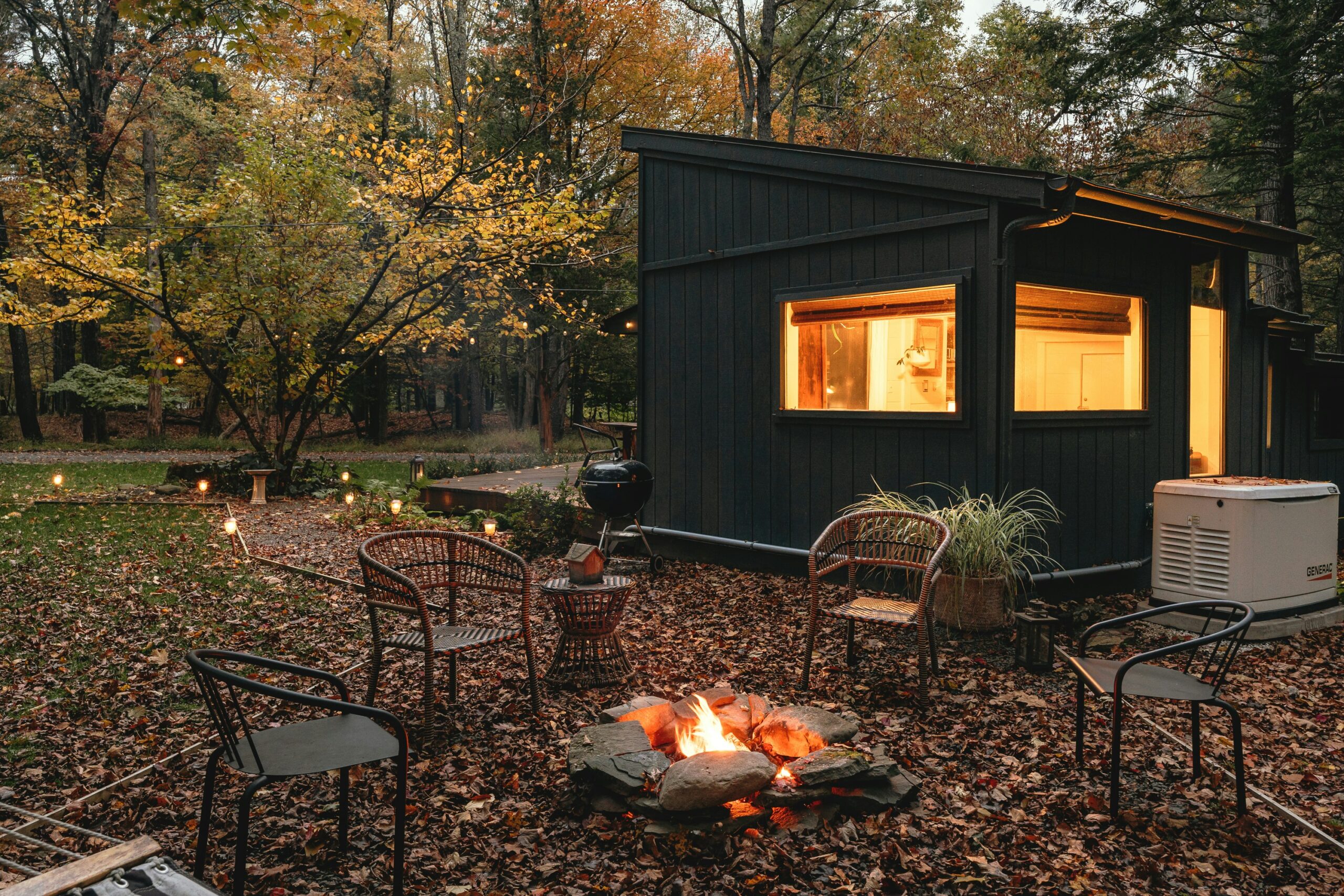
Start by checking regulations in your region and obtaining the necessary permits. Furnishing the property is very important to meet guest expectations. Since many guests prefer vacation homes with advanced amenities, add WiFi and security features. List the property on different platforms with clear photos and descriptions to make it more appealing and profitable.
Maintaining cleanliness is the most essential part of great customer service, while having positive reviews helps maximize your rental income over time. For long-term growth and profitability, ensure legal compliance and prepare the property in a way that it meets guest expectations.
What Is a Vacation Rental?
A vacation rental is a fully furnished property that is rented out for short-term or long-term stays. They’re different from traditional hotels because they provide a more personalized and home-like experience with added privacy.
Many guests prefer booking vacation rental properties for added privacy, space, and flexibility, especially for families or longer stays. Vacation rentals may be available in apartments, houses, villas, or even unique stays like cabins and cottages. Guests can book these properties for short or long stays via platforms like Airbnb or Vrbo, allowing homeowners to easily connect with global travelers.
The most important key features of vacation rentals include:
- Fully furnished living spaces
- Short-term booking flexibility
- Kitchen and home amenities
- More privacy than hotels
- Suitable for families and groups
There is a growing trend of vacation rentals across the world, and this trend has created a strong opportunity for homeowners looking to generate passive income.
Step-by-Step Process for Vacation Rental Setup
Turning a home into a vacation rental involves many steps that need careful planning and execution. From creating a welcoming environment to legal compliance and more, each step plays a vital role in the overall guest experience and vacation rental business success. A careful approach ensures you avoid costly mistakes and deliver a great guest experience.
Step 1: Check Local Regulations
Before you start inviting guests through online or offline booking, ensure the property complies with local zoning laws and licensing requirements. Every city or state will have its own specific regulations regarding short-term rentals, including permits, taxes, and safety standards. Check the regulations with your local authority to avoid penalties and ensure your rental operates legally and smoothly.
Step 2: Prepare Your Property
Every guest will expect your rental property to be clean, functional, and visually appealing. So, make sure to invest in quality furniture, neutral décor, and comfortable bedding. Ensure regular maintenance and cleaning to create a welcoming atmosphere that appeals to a wide range of guests.
Step 3: Add Essential Amenities
Guests would expect certain amenities as standard in a vacation rental. The property must be equipped with high-speed WiFi, a fully equipped kitchen, clean toiletries, and basic essentials like towels and linens. Adding additional features, such as CCTV cameras and smoke detectors helps enhance guest safety and trust.
Step 4: Create Airbnb Listing
An optimized property listing is the key to attracting guests. Listings with high-quality images and detailed descriptions look more appealing and trustworthy to potential guests. Also, don’t forget to highlight the unique features of your property.
Step 5: Set Pricing Strategy
For vacation rentals pricing should be dynamic and competitive. Look for similar properties in the region and adjust the rates based on seasonality, demand, and local events. A key trick to encourage longer stays is offering special discounts.
Setup Checklist for Vacation Rentals
For a successful vacation rental business, it is important to ensure everything is in place before you welcome your first guest. A property with a well-prepared setup helps improve guest satisfaction while reducing operational issues. Follow this checklist to make sure your vacation rental is fully ready:
- Furniture
- Clean linens
- Smart lock
- Guest guide
- Toiletries and essentials
- Kitchen equipment
- WiFi connection
With these basics covered, it becomes possible to ensure a smooth and professional hosting experience.
Nashville-Specific Insight for Vacation Rentals
In Nashville, it is mandatory for short-term vacation rentals to obtain permits for legal compliance and to meet zoning and safety standards set by the city. Every vacation rental must be registered with the authorities to follow local regulations.
Additionally, noise regulations and neighborhood guidelines are very strict in Nashville to maintain community balance. The city also distinguishes between owner-occupied and non-owner-occupied rentals.
Since the city is quite popular among global tourists, especially for music lovers, vacation rentals can be highly profitable when managed correctly in Nashville. However, at the same time, staying compliant with local regulations is also very important for long-term success in this competitive market.